
Guide
Your First LaVoice Match: Extract, Speak, Create, Fight
A first match walkthrough for LaVoice: where to extract, what to build first, how the speak key works under pressure, and how to survive the endgame scarcity.
 By Amelia Hart, Mobile Game Reviewer
CONTENTS On this page
The Short Version
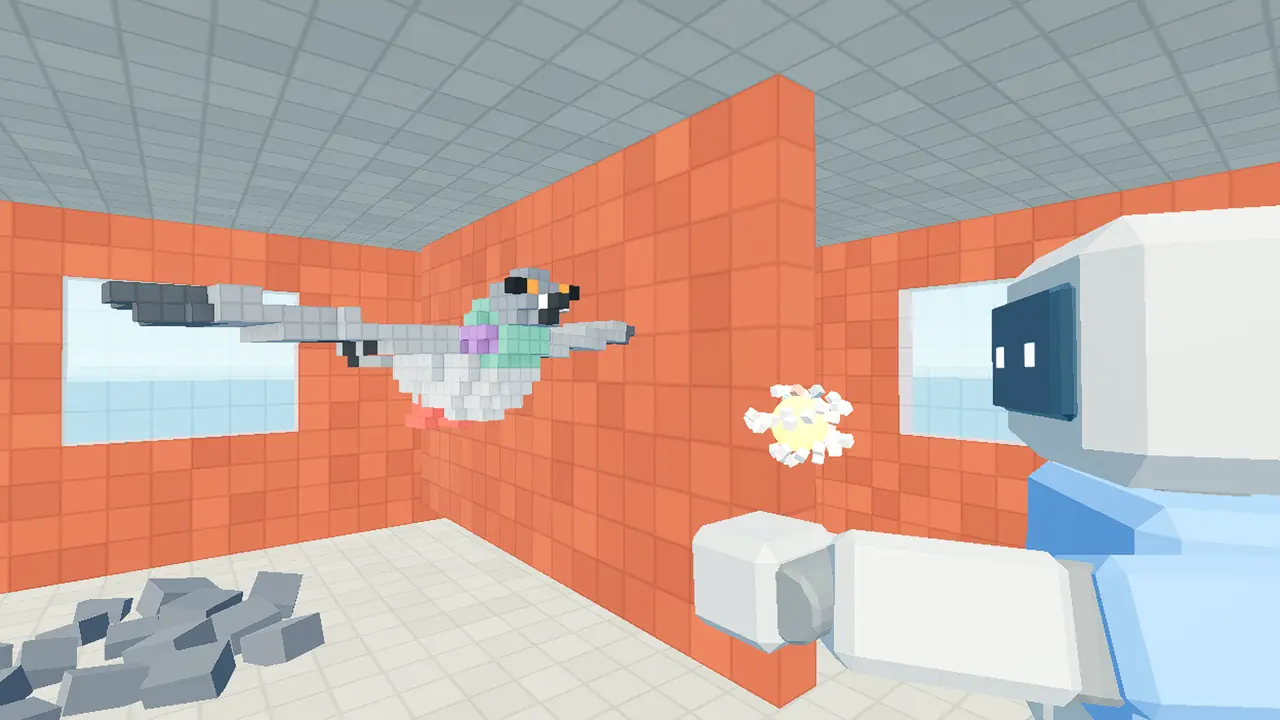
Your first LaVoice match teaches four verbs in order: extract, speak, create, fight. You begin with empty hands and a full arena, and the game expects you to turn one into the other before the bot, or your friends, turn you into a lesson.
This walkthrough follows a sensible first match beat by beat, so your second match can be the experimental one. If you want the verified game facts behind every guide here, start with LaVoice game for Android, where the current build, package, and safety checks for the game are kept current.
The First Minute: Harvest Quietly
Spawn, look around, and pick an extraction spot with something between you and the middle of the arena. Pull blocks in short bursts, moving a few steps between each, because a player standing still in the open is the easiest target in any shooter ever made.
You are not trying to get rich. You are trying to afford one honest weapon and a little reserve. The moment your balance covers a simple, reliable creation, stop harvesting and build it.
Your First Creation
Hold the speak key and ask plainly for something dependable: a pistol, a basic rifle, a simple shotgun. Plain descriptions build fast and behave predictably, which is what a first match needs. Save the six barreled experiments for when losing is funny instead of confusing.
Once it is in your hands, the match changes character. Now extracting is something you do between fights, in covered spots, topping up for a second creation or a repair of your plans.
The Endgame: Scarcity and Nerve
Late in a match the arena is full of holes and everyone's balance matters. This is where first timers panic build, spending everything on one giant request that a single mistake wastes. Build one size smaller than your ambition and keep a reserve for the reply.
Win or lose, notice what the match taught you: where the good extraction spots were, which description built fastest, and when the terrain vanished from under a plan. That is the real loot of a first match.
Putting It Into Practice
Watch the first minute of any match the way a producer watches a first playback. That is when the pattern declares itself: who extracts where, who builds first, and whether the spending is patient or panicked. Notes taken in that first minute, even mental ones, are worth more than a week of guessing later, because LaVoice players are creatures of rhythm and the rhythm repeats.
Over time a pattern emerges that no single match shows: your requests get shorter, your budgets get calmer, and your creations get less surprising, not because your imagination shrank but because you learned to spend it properly. That learning curve is the real progression system of LaVoice, and it only appears for people who keep showing up.
Resist the urge to optimise the joy out of it. The game works because it stays close to the size of a spoken idea, a turret here, a flying mistake there. The moment a plan needs a spreadsheet, it has left the game's home ground. Keep requests glance sized and the answers stay fast, honest, and surprisingly wise.
Lessons From Testing
Another durable lesson from testing is that confidence follows evidence, not the other way round. Players write in sure that recognition is broken, or that a room rule does nothing, and in nearly every case a five minute experiment, one bot match run the other way, settles what an hour of opinion could not. This site's advice is written to be tested exactly like that: cheaply, on your own phone, with your own phrases, against the bot and your own friends. If a claim here fails your experiment, trust the experiment and write to us through the contact page, because corrections from the field are how these guides stay honest.
Consider also the archive you are building without noticing. Every settled match is a tiny dated entry in the history of your taste: the turrets, the pigeons, the six barreled arguments, the wings that finally worked, each with a block price attached. Scrolled back over months, it reads like a diary you did not have to write. Players tell us this backward glance is what finally sells them on the game, because it turns throwaway matches into a record of how their judgement, and their imagination, grew up together. Keep the record clean by keeping the requests honest, and it will repay reading.
Field Notes
- Harvest in short bursts, never standing still for long.
- First creation: plain, cheap, dependable.
- Keep a block reserve for the endgame.
- Debrief yourself for one minute after the match ends.
Two companion guides deepen this topic. For the neighbouring angle, read LaVoice Voice Commands: How to Speak Creations Into Existence, and for the practical follow-on, see Solo Bot Mode in LaVoice: Practice That Actually Teaches the Game. Both were written from the same round of testing on real devices, so the advice lines up without repeating itself.
LaVoice rewards people who treat its small mechanics with respect: honest requests, fair budgets, and creations that get used and credited. Master the habit covered in this guide and the game stops being a novelty and becomes the way matches simply get played.
Quick Answers
How long is a LaVoice match?
Matches are short arena sessions. Length depends on the players and how fast the arena gets spent, rather than on a fixed clock.
Should my first match be against the bot?
Yes. The bot teaches the loop at a forgiving pace, and nobody watches you learn the speak key.
What if my first creation fails or misbuilds?
Extract a little more and ask again, plainer. Simple descriptions are the game's home language.